


In the Age of the Apple Watch, Why Would Anyone Choose a Watch That Just Tells the Time?
On September 9, Apple announced the Series 12 and Ultra 4. The new S11 chip. A Readiness score that tells you how recovered you are before you have even got out of bed. Continuous heart rate monitoring accurate enough to detect irregularities your GP might miss. Blood oxygen. Sleep tracking. An ECG on your wrist. Fall detection. Crash detection. The ability to call the emergency services from a mountain in Norway if something goes badly wrong. All from £399, which is less than many automatic watch straps.

It is, by any reasonable measure, an extraordinary piece of technology. And yet.
The Question Nobody Can Quite Answer
If you own a mechanical watch and someone asks you why, the honest answer is surprisingly difficult to articulate. It tells the time. That is, objectively, the least impressive thing it does, because your phone tells the time, your microwave tells the time, and now your wrist tells the time in a way that also monitors your cardiovascular health and reminds you to stand up every hour. The mechanical watch has been comprehensively out-featured by a device that costs roughly the same and comes in a range of colours that match your gym kit.
So why does the drawer full of Apple Watch boxes in watch collectors' homes keep growing, while the mechanical watches on their wrists keep multiplying?
The answer is not particularly rational, which is probably why it is so difficult to explain to someone who has never felt it.
What a Mechanical Watch Actually Is
A mechanical watch movement contains somewhere between 100 and several hundred individual components for a standard movement, rising above 1,000 for highly complicated pieces like perpetual calendars and split-second chronographs. In a standard three-hand automatic, those components include a mainspring that stores energy when wound, a gear train that transfers that energy toward the hands, an escapement that regulates the release of that energy in precise increments, and a balance wheel that oscillates back and forth between 18,000 and 36,000 times per hour, acting as the heartbeat of the entire system. None of this requires a battery. None of it requires software. None of it connects to a satellite. It runs on physics and human craft, and in most cases it will continue running long after everyone who made it has retired.
The movement of a well-made automatic watch, visible through a caseback, is one of the more genuinely beautiful things manufactured objects can be. The bridges are finished with Geneva stripes or Côtes de Genève decoration. The screws are bevelled and polished individually. The balance wheel oscillates with a rhythm that is immediately, instinctively satisfying to watch. Nobody at Jony Ive's old desk ever had to worry about whether a circuit board would look good under magnification. Watchmakers have been worrying about exactly that for three centuries.
The Relationship Is Different
An Apple Watch is a subscription to the present moment. It monitors you, alerts you, tracks you, and updates itself overnight with improvements you did not ask for and features you will never use. It is extraordinarily useful and completely disposable. Apple will stop issuing software updates for the Series 12 in approximately six years, at which point its health monitoring features, app ecosystem and AI capabilities will gradually stop functioning. Basic timekeeping will technically remain, though the watch will have lost most of what made it worth buying.
A mechanical watch is a relationship with an object that exists independently of any infrastructure. It does not need a server, a charger, or a software update. It needs to be worn, and wound, and occasionally serviced by someone who knows what they are doing. In return it keeps going. A well-maintained automatic watch from the 1960s runs today with the same movement it left the factory with. The Omega Seamaster your grandfather wore on his holiday to the Costa del Sol in 1974 will outlast every Apple Watch currently in existence by several decades, possibly by several generations.
There is something to be said for an object that works entirely on its own terms and improves with age. In 2026, that is a rarer quality than it sounds.
The Winding Habit
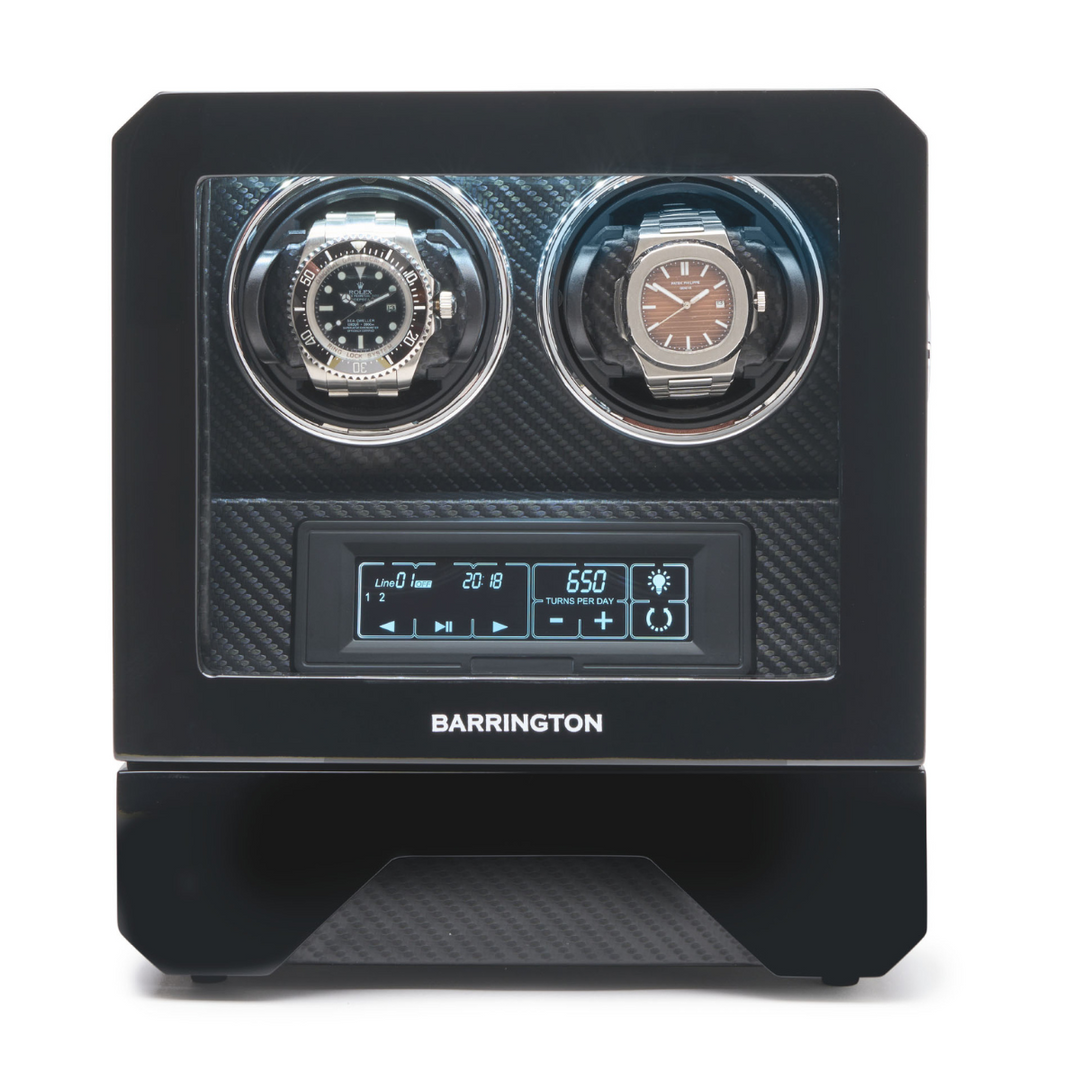
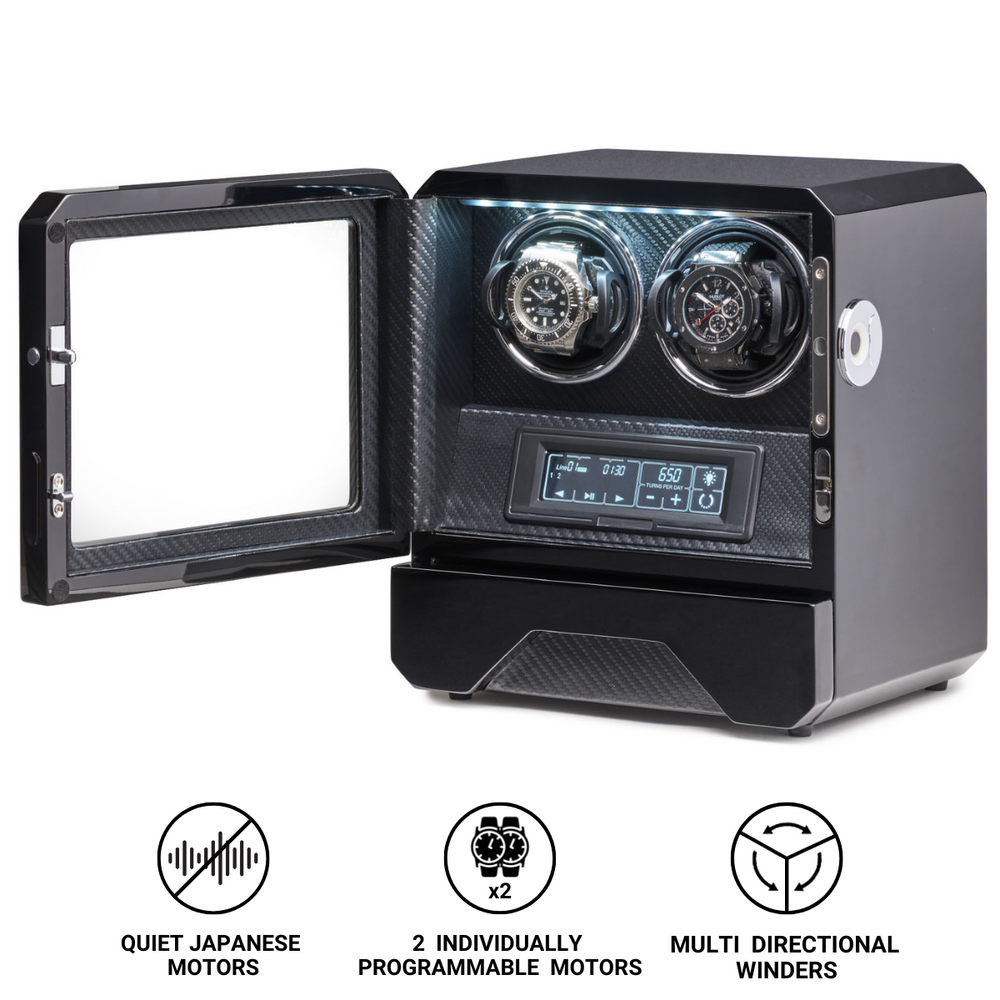
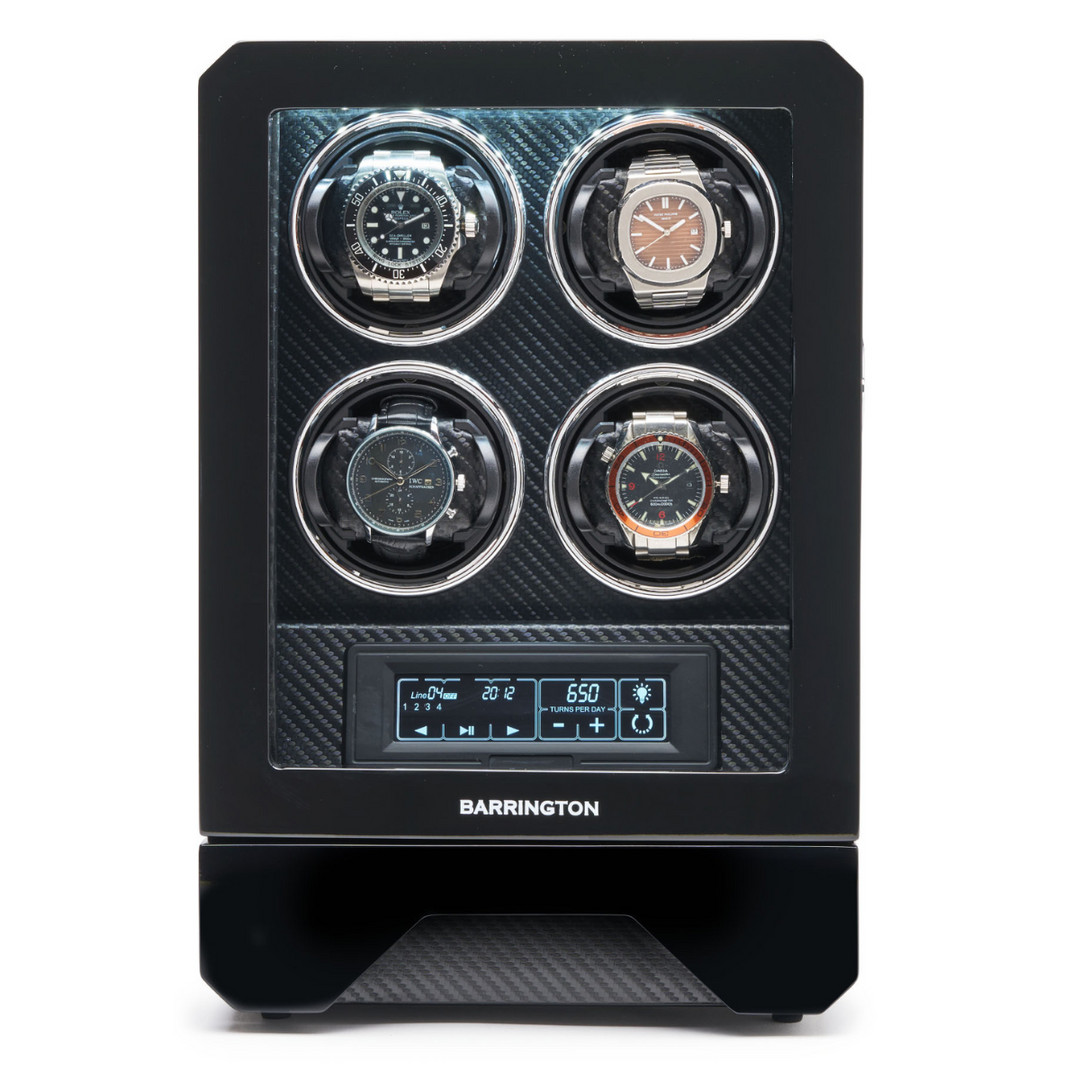
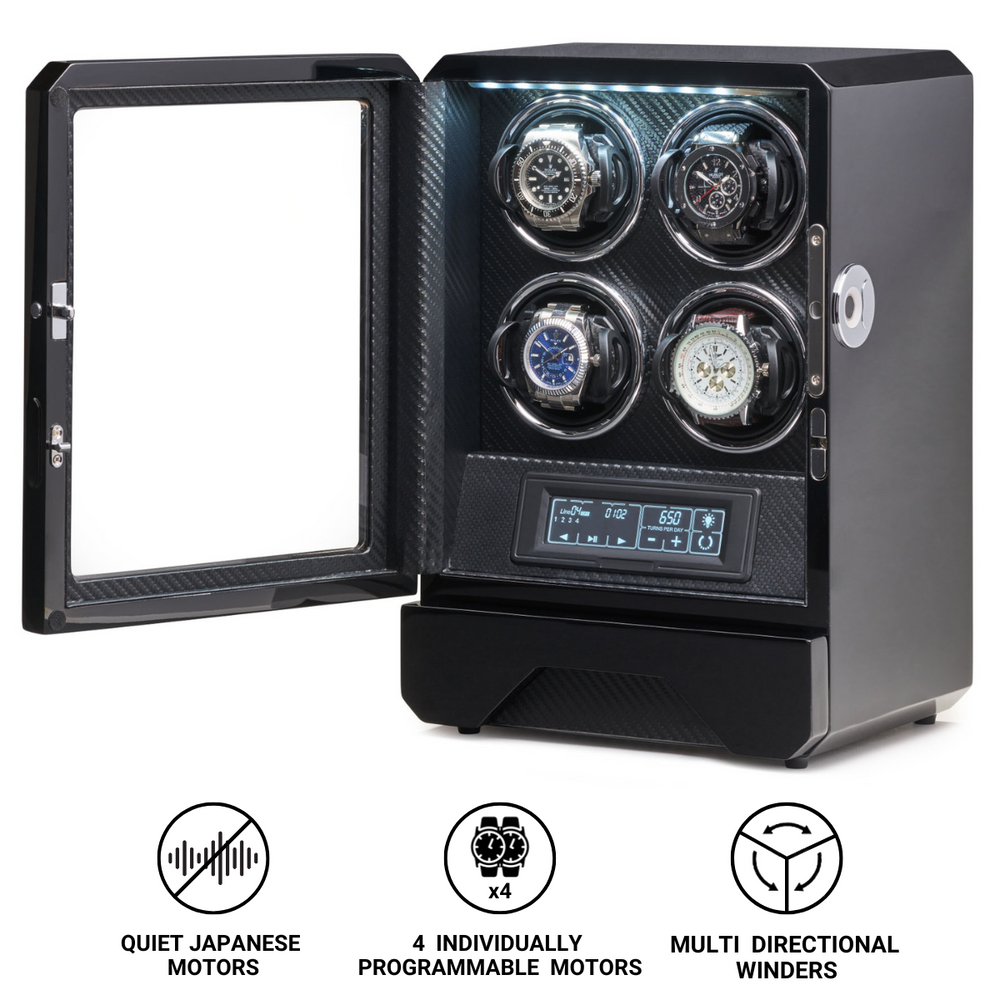
One of the more unexpected pleasures of owning an automatic watch, particularly for anyone coming from a smartwatch background, is the daily awareness it creates. An Apple Watch charges passively overnight and demands nothing from you. An automatic watch that sits in a drawer stops running. It needs either to be worn or to be kept wound and ready, which is where a watch winder earns its place in a collection.

Keep your watches wound with a Barrington Watch Winder
The ritual of picking up a watch that has been sitting on a winder, checking that it is running correctly, and putting it on is a small but genuine pleasure that smartwatch owners simply do not have. The Apple Watch Series 12 will tell you everything about your body the moment it touches your wrist. A mechanical watch tells you nothing except the time, and somehow that feels like enough.
So Why Would Anyone Choose It?
The honest answer is that choosing a mechanical watch in 2026 is an act of deliberate irrationality. You are choosing an object that is less accurate, less functional, more expensive to maintain, and incapable of telling you your heart rate, your sleep score, or your readiness for the day ahead.
You are also choosing an object that was made by human hands, will outlast you, and asks nothing of you except to be worn. It does not need to be charged, updated, or replaced when the manufacturer decides it is no longer supported. It does not vibrate to tell you that you have been sitting down for too long, which is simultaneously the most useful and most annoying feature of modern technology.
The Apple Watch Series 12 is an impressive achievement. The Ultra 4 is genuinely extraordinary. Neither of them will be worth anything in 2050.
The mechanical watch you buy today probably will be.





Hinterlassen Sie einen Kommentar