


Gold Rolex Watches: The Complete Buying Guide
Key Points:
Modern gold Rolex watches are made from 18ct yellow, white, or Everose gold, while Rolesor combines gold with Oystersteel.
Gold is available across both classic and Professional Rolex collections, including the Day-Date, Daytona, Submariner, GMT-Master II, Yacht-Master, Sky-Dweller and Datejust.
Buyers should compare model, gold type, condition, originality, pricing and new versus pre-owned options before making a purchase.
Proper care, careful storage and a suitable watch winder can help keep an automatic gold Rolex ready to wear between periods of use.
Gold has been part of the Rolex story for generations, appearing across some of the brand’s most recognisable dress and professional watches. From the classic Day-Date in yellow gold to precious-metal versions of the Daytona, GMT-Master II and Yacht-Master, a gold Rolex combines familiar Rolex design and engineering with the distinctive weight, appearance and character of 18ct gold. For many buyers, it represents a very different proposition from the more understated practicality of Oystersteel.
Choosing one involves more than deciding which model looks best. Yellow gold, white gold and Rolex’s proprietary Everose gold each have a different character, while solid-gold and Rolesor watches differ considerably in appearance, weight and price. This guide explains the types of gold Rolex uses, the principal models available, how Rolesor compares with solid gold, what affects pricing, and what to consider when choosing between new and pre-owned watches. It also covers value retention, everyday wear, care and storage to help you make a more informed choice.
What Are Gold Rolex Watches Made Of?
Modern gold Rolex watches are made from 18ct gold, meaning the alloy contains 750 parts of pure gold per thousand. Rolex produces its gold alloys in its own foundry, where the metals are melted and combined before being formed into components used for cases, bezels, crowns and bracelets. This gives the manufacturer direct control over the composition, appearance and consistency of the precious metals used in its watches.
Pure 24ct gold would be impractical for a watch designed to be worn regularly because it is comparatively soft and susceptible to deformation and surface damage. By combining gold with other metals, an 18ct alloy provides greater strength while retaining the colour, weight, corrosion resistance and luxurious appearance associated with gold. The precise additional metals vary according to whether the finished alloy is yellow, white or Everose gold.
Buyers considering older watches should not assume that every gold Rolex was made to the same specification. While 18ct gold is the standard for modern production, certain vintage Rolex references were produced in other purities, including 14ct and, in some markets and periods, 10ct gold. The hallmarks, reference and provenance of a vintage watch should therefore be examined rather than applying modern specifications retrospectively.
What Types of Gold Does Rolex Use?
Rolex currently works with three principal varieties of 18ct gold: yellow gold, white gold and Everose gold. Although they share the same 18ct standard, differences in their alloy compositions produce noticeably different colours and personalities. The choice can therefore change the character of an otherwise familiar Rolex design considerably.
Yellow Gold Rolex Watches
Yellow gold is the most traditional and immediately recognisable choice. Its warm, rich colour has long been associated with classic luxury watches and is particularly closely linked with models such as the Day-Date. On a full-gold bracelet, it creates an unmistakable presence on the wrist.
It is well suited to buyers who want their precious-metal Rolex to look distinctly different from a steel watch. Yellow gold tends to make the strongest visual statement of the three options and works particularly well for those drawn to the traditional image of a gold Rolex.
White Gold Rolex Watches
White gold takes a considerably more restrained approach. At a glance, some white gold Rolex watches can resemble Oystersteel, particularly when paired with dark or neutral dials. Closer inspection reveals a different lustre and tone, while the greater weight of the precious metal becomes apparent on the wrist.
This makes white gold attractive to buyers who appreciate the substance and exclusivity of a precious-metal watch without the immediately recognisable appearance of yellow gold. It offers discreet luxury rather than an overt display of precious metal.
Everose Gold Rolex Watches
Everose is Rolex’s proprietary rose gold alloy, introduced in 2005. Rolex developed the material to preserve the distinctive pink colour of rose gold over time. In addition to gold and copper, which provides the reddish tone associated with rose gold, the alloy incorporates platinum to help maintain its colour.
The result is a warm pink-gold appearance that sits between the traditional character of yellow gold and the restraint of white gold. Compared with conventional rose gold alloys, Everose is specifically formulated to resist the loss of its original colour, making it a distinctive choice for buyers who want a contemporary alternative to traditional yellow gold.
|
Gold Type |
Appearance |
Character |
Best For |
|
Yellow gold |
Warm, rich yellow |
Traditional and prominent |
Classic gold-watch styling |
|
White gold |
Pale, discreet metallic tone |
Understated and refined |
Buyers seeking discreet luxury |
|
Everose gold |
Warm pink-gold tone |
Contemporary and distinctive |
Buyers wanting a softer alternative to yellow gold |

Solid Gold Rolex vs Rolesor: What Is the Difference?
A solid gold Rolex uses 18ct gold for its precious-metal case and, where fitted, the corresponding metal bracelet. Rolesor is Rolex’s name for watches that combine gold with Oystersteel, providing the appearance and detailing of precious metal without using gold throughout the entire case and bracelet.
Yellow Rolesor combines Oystersteel with yellow gold, typically making the contrast between the two metals immediately visible. Everose Rolesor follows the same principle with Everose gold. White Rolesor is more subtle: on current configurations, the white gold is primarily used for the bezel while the case and bracelet are predominantly Oystersteel.
The practical differences extend beyond appearance. A full gold watch generally has considerably more weight on the wrist and commands a higher price because substantially more precious metal is used. Rolesor offers a lighter and typically less expensive route into a Rolex with genuine gold elements while retaining much of the durability and visual character of Oystersteel.
For buyers who want the unmistakable presence and feel of precious metal, solid gold is the natural choice. Those who prefer greater contrast, a lower entry price or a less overtly luxurious everyday watch may find that a two-tone Rolesor model provides a better balance.
Which Rolex Watches Are Available in Gold?
Gold is not limited to Rolex’s traditional dress watches. Over the years, the manufacturer has used precious metals across both classic and Professional collections, giving buyers a choice between discreet formal watches, full-gold sports models and combinations of gold with Oystersteel or Oysterflex.
Rolex Day-Date

Photo Source: monochrome-watches.com
Few watches are as closely associated with gold as the Rolex Day-Date. The collection is produced exclusively in precious metals and is particularly recognisable when paired with the President bracelet, created for the model. Yellow gold provides the most traditional look, while white gold and Everose offer more understated or contemporary alternatives. For buyers seeking the archetypal luxury Rolex rather than a tool-watch aesthetic, the Day-Date remains an obvious starting point.
Rolex Cosmograph Daytona

Photo Source: monochrome-watches.com
The Cosmograph Daytona takes gold in a very different direction. Developed as a chronograph for motor racing, it combines its sporting origins with precious-metal cases, creating one of Rolex’s most distinctive luxury sports watches. Gold Daytona models have appeared in yellow, white and Everose gold, with configurations ranging from full-gold bracelets to Oysterflex. The result is a watch that retains the Daytona’s chronograph identity while having considerably more visual presence than a steel version.
Rolex Submariner

Photo Source: monochrome-watches.com
Originally designed as a professional diving watch, the Submariner is strongly associated with Oystersteel, but gold has long formed part of the collection as well. Buyers can find both solid-gold and Rolesor versions. The underlying design remains unmistakably Submariner, yet yellow gold changes its character considerably, moving it away from a purely utilitarian aesthetic towards a more conspicuous expression of luxury.
Rolex GMT-Master II

Photo Source: monochrome-watches.com
Gold versions have also played a role in the history of the GMT-Master and GMT-Master II. The collection retains its defining ability to display multiple time zones, but precious-metal cases and bracelets give the travel-watch concept a more luxurious character. Depending on the generation and reference, buyers can encounter full-gold and Rolesor configurations in different gold colours.
Rolex Yacht-Master

Photo Source: monochrome-watches.com
The Yacht-Master was conceived with a more luxury-focused character than many other Rolex Professional watches, making precious metals a natural fit. Gold versions combine the collection’s nautical styling with a distinctly refined finish. Certain modern configurations pair a gold case with Rolex’s Oysterflex bracelet, reducing the amount of visible gold while retaining the weight and presence of a precious-metal case.
Rolex Sky-Dweller

Photo Source: monochrome-watches.com
The Sky-Dweller is one of Rolex’s more contemporary complicated watches, combining an annual calendar with a second time-zone display. Its combination of travel functionality and precious-metal configurations makes it particularly relevant to buyers looking for a sophisticated luxury watch rather than a conventional sports model. Gold and Rolesor versions also provide considerable choice in how prominent the precious metal appears on the wrist.
Rolex Datejust

Photo Source: monochrome-watches.com
The Datejust offers a broader range of sizes and styles than the Day-Date and has been produced in numerous metal combinations over its long history. Gold and Rolesor configurations can provide the traditional appearance of a precious-metal Rolex without necessarily adopting the more formal identity of the Day-Date. This variety makes the Datejust particularly useful for buyers who want flexibility in case size, bracelet and overall styling.
Other Gold and Discontinued Rolex Models
The pre-owned and vintage markets broaden the choice considerably. Earlier Rolex Date and Oyster Perpetual references can be found in gold, while the discontinued Cellini collection includes numerous precious-metal dress watches. Pearlmaster models brought gold together with more jewellery-oriented styling, and the discontinued Yacht-Master II was also offered in precious-metal configurations.
There is similarly a substantial selection of ladies’ gold Rolex watches, particularly within historic Datejust, Lady-Datejust and precious-metal collections. Buyers interested in vintage or discontinued pieces should therefore look beyond the current catalogue, although originality, condition and period-correct components become increasingly important when evaluating older examples.
How to Choose the Best Gold Rolex for You
There is no single best gold Rolex. The right choice depends on whether you want a traditional precious-metal watch, a luxury sports model or something that keeps its value and material relatively discreet on the wrist.
For a Classic Gold Rolex
For the traditional gold Rolex aesthetic, the Day-Date in yellow gold is difficult to overlook. Its precious-metal construction, President bracelet and formal character closely reflect the image many people associate with a classic gold Rolex.
For a Gold Sports Rolex
The Daytona, Submariner and GMT-Master II bring gold into Rolex’s Professional range. These are strong choices for buyers who like established sports-watch designs but want greater weight, rarity and visual presence than their steel counterparts provide.
For Understated Luxury
White gold is the natural option when discretion matters. From a distance it can resemble steel, allowing the watch to retain a restrained appearance despite being made from a precious metal. Dial, bezel and bracelet choices can make the overall effect even more subtle.
For Everyday Wear
Everose models and gold watches fitted with Oysterflex can offer a useful balance between luxury and versatility. A Yacht-Master, for example, can feel less formal than a full-gold Day-Date while still providing the distinctive character of a precious-metal Rolex.
Beyond the model itself, consider case size in relation to your wrist, the colour of gold, and whether you prefer a full-gold bracelet, Oysterflex or Rolesor construction. Think about where the watch will actually be worn. A highly visible yellow-gold piece may be ideal for occasional wear, while a white-gold or Oysterflex configuration may suit someone looking for a more restrained daily watch.
Barrington Watch Winders Comment: A gold Rolex should suit not only your taste, but also the way you actually wear watches. If it will be part of a rotation rather than your only daily watch, comfort, bracelet choice and ease of keeping it ready to wear become just as important as the metal itself.
How Much Does a Gold Rolex Cost?
There is no single price for a gold Rolex, and even watches from the same collection can differ substantially in value. The model and reference are important, as are the amount and type of gold used. A watch on a full-gold bracelet will generally occupy a different price bracket from a precious-metal model on Oysterflex or a Rolesor watch that combines gold with Oystersteel.
Dial configuration, diamonds and other gem-setting can further affect the price. On the pre-owned market, age, rarity, condition and demand for a particular reference become especially important. An older watch with its original components and a well-preserved case may be valued differently from an apparently similar example that has undergone extensive restoration or polishing.
Box and papers, provenance and service history may also influence desirability, particularly for collectible references. For this reason, buyers should compare like-for-like watches rather than assuming that all gold Rolex models follow the same pricing pattern. Current retail and secondary-market prices should always be checked when you are ready to buy.
Should You Buy a New or Pre-Owned Gold Rolex?
Choosing between new and pre-owned depends on your priorities, budget and the particular Rolex you want. The current catalogue offers many precious-metal options, but the secondary market opens the door to earlier generations and discontinued configurations.
Buying a New Gold Rolex
Buying new gives you a watch in factory condition with its original documentation and manufacturer's warranty. It also removes many of the questions surrounding previous servicing, polishing and replacement components. The main limitation is choice: you are restricted to current-production models and configurations, and availability can vary.
Buying a Pre-Owned Gold Rolex
The pre-owned market provides a much broader selection, including discontinued models, previous generations and vintage references that are no longer available through authorised retailers. Prices may differ significantly from current retail levels, but age and condition make careful comparison essential.
What to Check Before Buying
Before purchasing a pre-owned gold Rolex, examine:
-
authenticity, reference and serial information;
-
originality of the dial, hands, bezel and other components;
-
case condition and evidence of excessive polishing;
-
movement condition and available service history;
-
bracelet condition, including stretch on older examples;
-
box, papers and other accompanying documentation;
-
the reputation and authentication practices of the seller.
Case condition deserves particular attention. Gold is softer than Oystersteel, and repeated or aggressive polishing can soften edges and alter the original case geometry. For collectible watches, a well-preserved case may therefore be considerably more desirable than one polished primarily to appear newer.
Barrington Watch Winders Comment: When buying pre-owned, condition matters just as much as the reference itself. On gold watches in particular, case shape, bracelet condition and signs of previous polishing can have a significant impact on both appearance and long-term desirability.
Do Gold Rolex Watches Hold Their Value?
Gold Rolex watches can retain substantial value, but value retention should not be confused with a guaranteed investment return. The amount of precious metal in a watch is only one part of its market value. Demand for the particular model and reference often matters just as much, and market conditions can change over time.
Rarity, condition, originality, provenance and completeness can all influence what buyers are prepared to pay. These considerations become particularly important with vintage and discontinued references, where two apparently similar watches may command very different prices because of their condition or originality.
Retail price is also not the same as secondary-market value. Some references may trade above their original or current retail prices, while others can sell for less. A gold Rolex should therefore be chosen primarily because you want to own and wear it, rather than on the assumption that its value will inevitably rise.
Can You Wear a Gold Rolex Every Day?
An 18ct gold Rolex can certainly be worn regularly. Rolex uses gold alloys suitable for watch cases and bracelets, and Professional models such as the Submariner, Daytona and GMT-Master II retain the functional characteristics associated with their respective collections even when produced in precious metal.
Gold is, however, softer than Oystersteel. Regular wear will gradually produce scratches, marks and other signs of use, particularly on polished surfaces and full-gold bracelets. Owners who want to preserve a pristine appearance may therefore prefer to reserve their watch for selected occasions.
The configuration also matters. A gold case on Oysterflex can be a practical alternative to a full-gold bracelet, while a sports model may feel more natural for casual daily use than a traditional Day-Date. Ultimately, everyday suitability depends not only on the material, but also on the model, bracelet and how comfortable you are with the normal signs of wear that a gold watch will acquire over time.
Watch Winders for Gold Rolex Watches
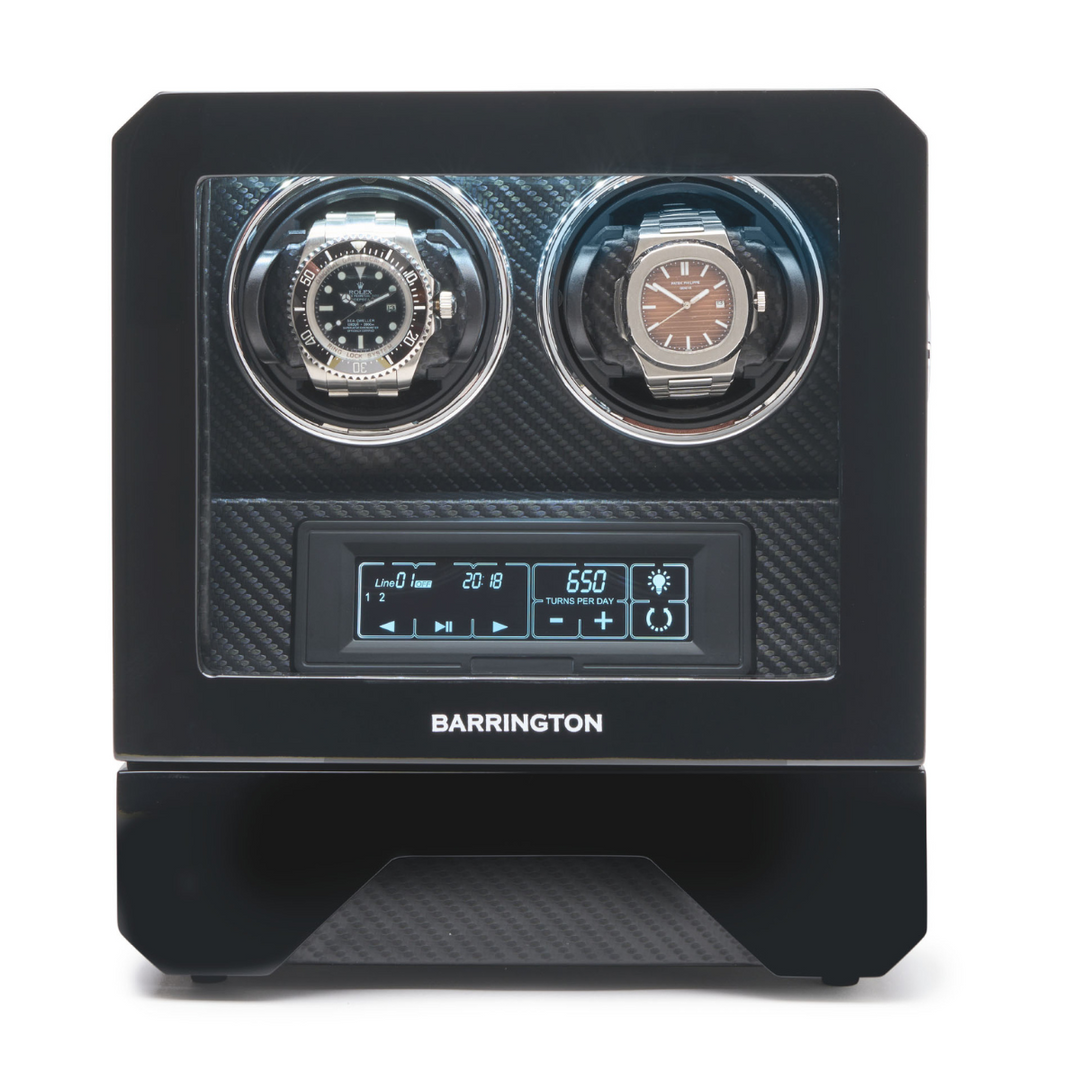
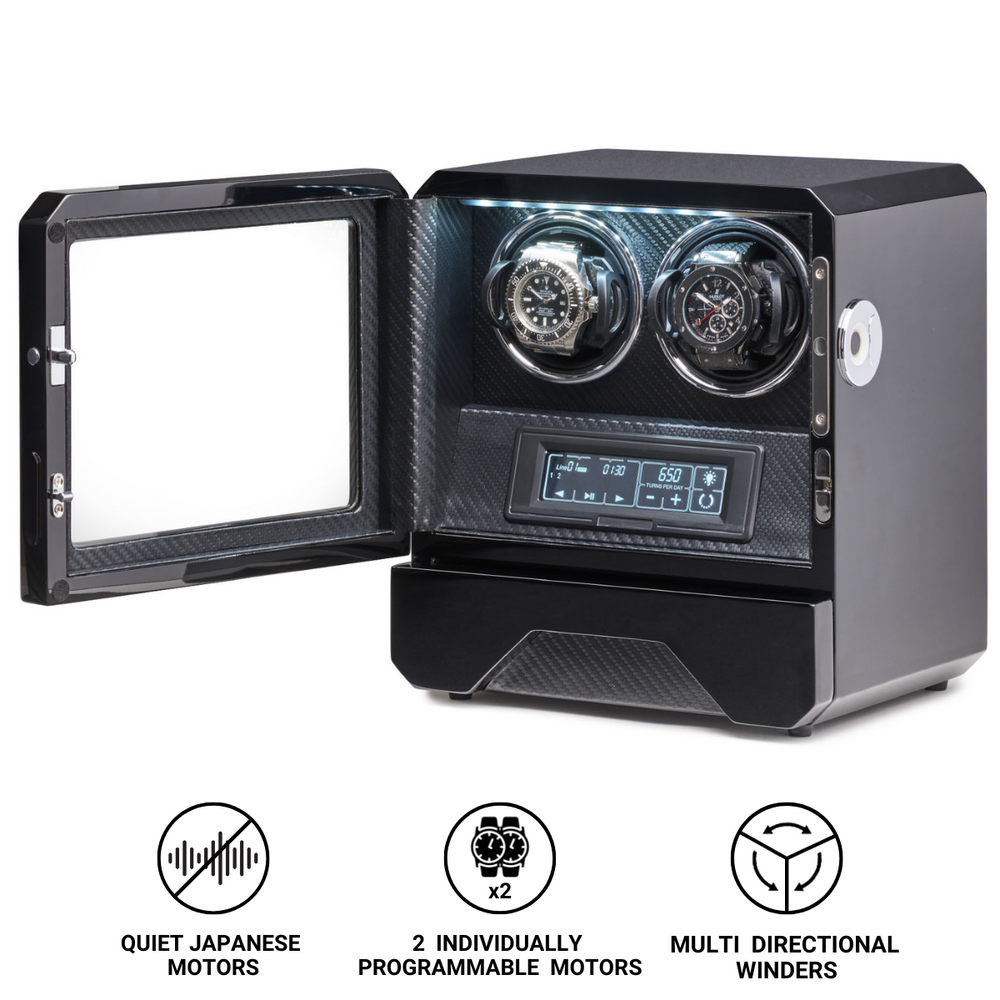
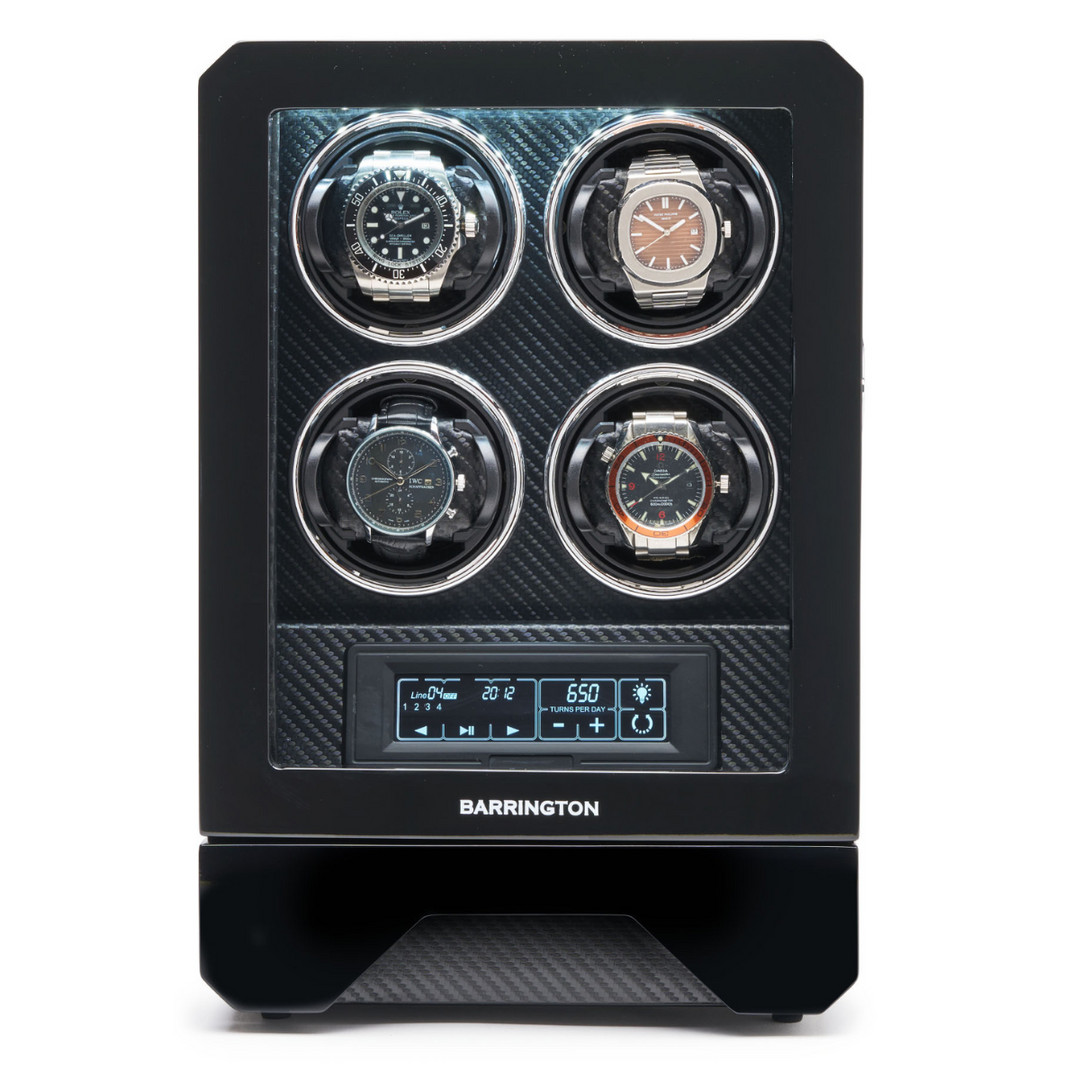
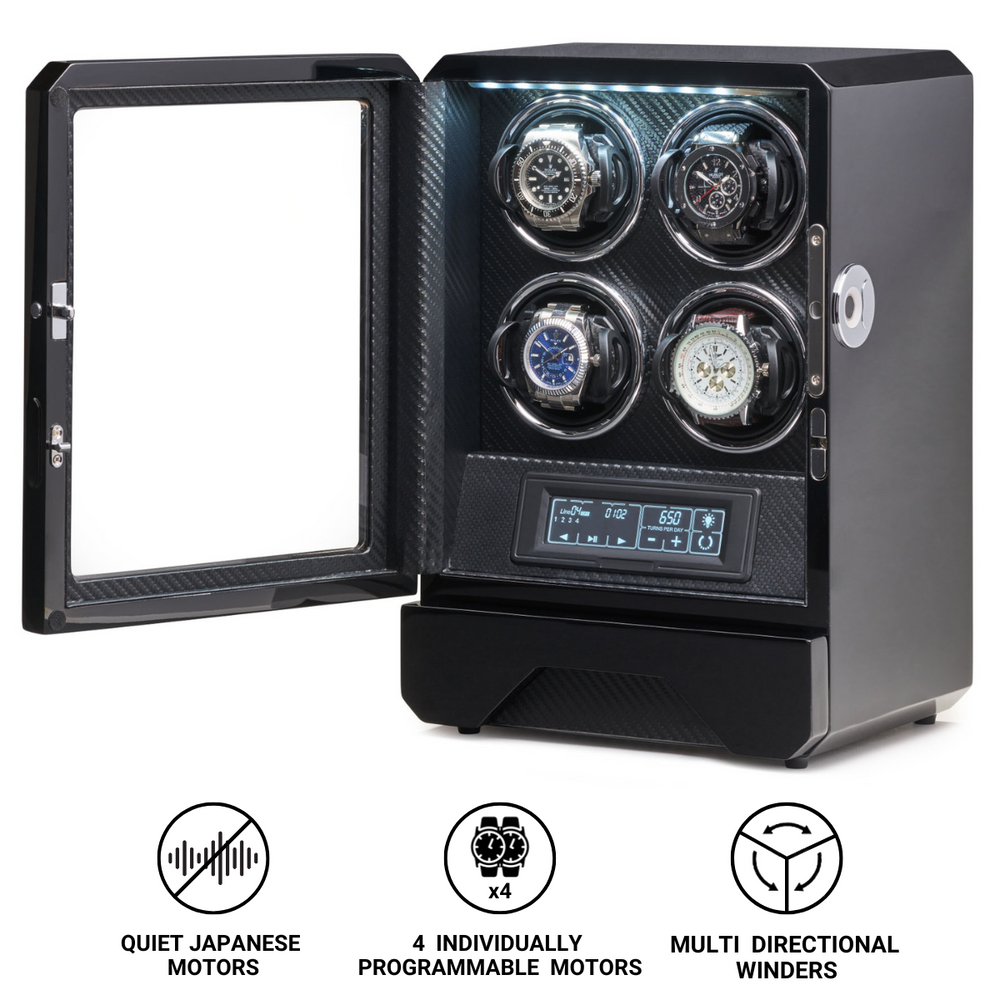
A gold Rolex deserves storage that is both practical and appropriate for a luxury automatic watch. If you regularly rotate between several timepieces, a watch winder can keep your Rolex wound and ready to wear while also providing a dedicated place to display it. Barrington offers options for individual watches as well as larger collections, allowing you to choose a winder that suits both your Rolex and the way you use your collection.
Barrington Oxford Single Winder - White

(The Barrington Oxford Single Winder in White is a compact option for keeping an automatic Rolex wound and ready to wear while presenting it in a clean, understated setting. Its adjustable 650, 750, 850, 1,000 and 1,950 Turns Per Day settings can be combined with clockwise, counter-clockwise or bi-directional rotation, allowing the winding programme to be matched to the watch. An ultra-quiet Japanese motor makes it suitable for bedrooms and other quiet spaces, while the watch returns to the 12 o’clock position when resting. The winder can run from AC mains or four AA batteries, and Barrington’s Jump feature allows multiple units to be connected and powered from a single AC source if your collection grows).
6 Watch Winder

(The Barrington 6 Watch Winder is designed for collectors who want to keep several automatic watches wound, organised and displayed together. Its six rotors are individually programmable, with 650, 750, 850, 1,000 or 1,950 Turns Per Day and clockwise, counter-clockwise or bi-directional rotation, allowing different watches to run on their own settings. Ultra-quiet Japanese Mabuchi motors operate with Barrington’s Gentle Rotation cycle, while each watch returns to the 12 o’clock position when resting. A fingerprint lock, touchscreen and remote control add convenience, while LED downlights and a built-in storage drawer make the closed display case particularly well suited to a growing collection that may include several gold Rolex watches alongside other automatic timepieces).
Barrington Oxford Single Winder - Blue

(The Barrington Oxford Single Winder in Blue combines a compact design with flexible settings for keeping an automatic Rolex wound between periods of wear. It offers five Turns Per Day settings from 650 to 1,950, together with clockwise, counter-clockwise and bi-directional rotation, so the programme can be adjusted to suit the watch. The ultra-quiet Japanese motor makes it suitable for use in bedrooms and other quiet spaces, while the watch returns to the 12 o’clock position when the rotation cycle finishes. It can be powered by AC mains or four AA batteries, and Barrington’s Jump feature allows additional single winders to be connected to the same AC power source, making it easy to expand the setup as a watch collection grows).
Whether you own a classic gold Day-Date, a Daytona on Oysterflex or several automatic watches, the right winder should suit the size of your collection and the winding requirements of each timepiece. Barrington watch winders offer adjustable Turns Per Day and rotation direction settings, making it possible to select an appropriate programme for your Rolex while keeping your watches organised and ready for their next outing.
How to Care for and Store a Gold Rolex Watch
A gold Rolex should be cleaned carefully with a soft cloth, avoiding abrasive products that could mark the 18ct gold surfaces. Unnecessary polishing should also be avoided, particularly on older or collectible watches, as repeated polishing can soften edges and alter the original case geometry. When the watch is not being worn, store it in a secure, dry place away from other watches and jewellery that could scratch the case or bracelet. Professional servicing at appropriate intervals can help maintain the movement and identify issues that may require attention.
If you rotate between several automatic watches, a watch winder can keep a Rolex running while it is off the wrist, reducing the need to reset the time and date when you return to it. Barrington Watch Winders produces winders suitable for automatic watches including Rolex, with adjustable Turns Per Day and rotation direction settings and its Gentle Rotation method, which combines periods of controlled rotation with rest. A winder is not essential for every owner, but it can be a practical storage option for collectors who regularly alternate between several automatic watches.





Hinterlassen Sie einen Kommentar